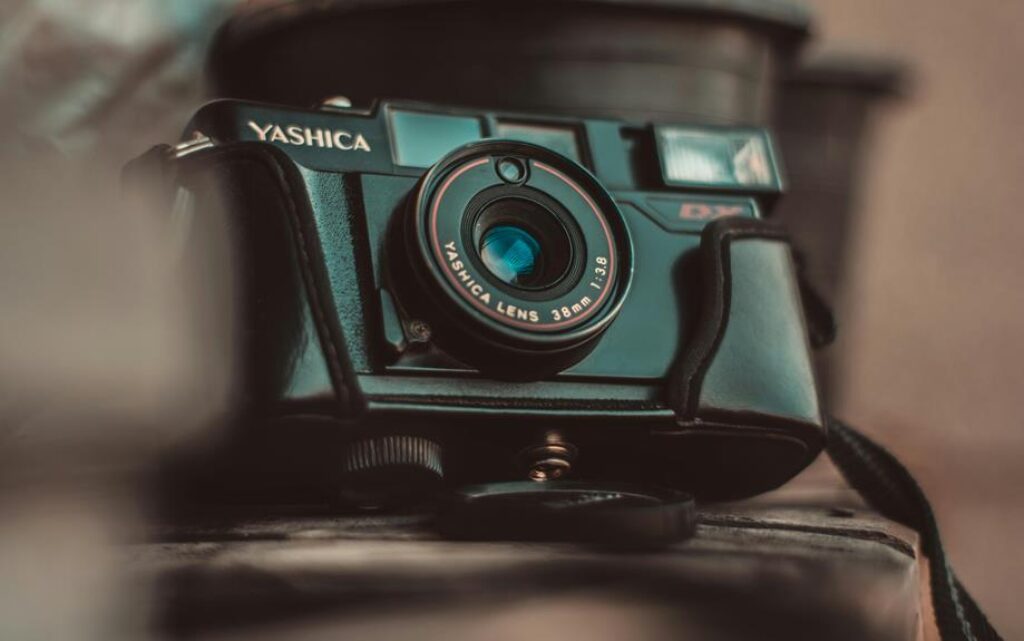
As you contemplate the evolution of camera technology from film to digital, consider the profound impact it has had on the way we capture moments. The shift from analog to digital has not only streamlined the process but also opened up a world of creative possibilities. From the early days of black-and-white film to the sophisticated digital sensors of today, each advancement brings us closer to capturing images in ways previously unimaginable. The journey from film to digital is not just a chronological progression but a transformative exploration of human creativity through the lens of innovation.
Early Beginnings of Photography
In the early beginnings of photography, before the advent of digital technology, images were captured on light-sensitive materials such as silver halide crystals coated on glass plates or film. These early photographic processes required meticulous care and precision. You’d to prepare the plates or film in a darkroom, ensuring they were free from any contaminants that could ruin the image. Once exposed to light, the chemical development process began, bringing the image to life.
Imagine the patience and skill required to master these techniques. Every shot counted, as there were only a limited number of exposures per plate or roll of film. You’d to think carefully about composition and lighting before pressing the shutter button. The waiting game of not knowing how the image turned out until the development process was complete added an element of suspense and surprise to photography.
Through these early methods, photographers honed their craft, learning the importance of each step in the process to create captivating images that would stand the test of time.
Transition to Digital Imaging
The shift from traditional film photography to digital imaging revolutionized the way images were captured and stored. With digital cameras, you no longer needed to worry about running out of film or the cost of developing each roll. Instead, you could instantly view and delete photos on the camera’s screen, allowing for immediate feedback on composition and exposure. The convenience of digital also meant no more waiting for prints to be developed; you could easily share photos online or print them at home.
Additionally, digital imaging opened up a world of post-processing possibilities. You could now easily adjust colors, contrast, and even remove imperfections with editing software. The ability to manipulate images digitally gave photographers more creative control over their work. Furthermore, the instant feedback and ability to experiment without added costs allowed for quicker learning and improvement in photography skills. Overall, the transition to digital imaging marked a significant milestone in the evolution of camera technology.
Impact on Photography Industry
With the transition to digital imaging, photographers experienced a seismic shift in how they approached their craft in a rapidly evolving industry. The impact of this shift on the photography industry has been profound. One significant change is the democratization of photography – digital cameras made it more accessible for amateurs to enter the field, leading to a surge in the number of photographers and images being produced. This increase in supply, coupled with the ease of sharing images online, has intensified competition in the industry.
Furthermore, the shift to digital has transformed the way photographers work. Instant feedback on images allows for quicker adjustments and experimentation, leading to improved skills and creativity. Post-production techniques have also become integral to the process, with editing software playing a crucial role in creating the final product. Additionally, the rise of social media platforms as a primary showcase for work has altered how photographers market themselves and interact with their audience. Overall, the impact of digital imaging on the photography industry has been far-reaching, revolutionizing both the creative and business aspects of the profession.
Advancements in Digital Camera Technology
Rapid advancements in digital camera technology have revolutionized the way you capture images, enhancing the quality and versatility of modern cameras. One significant advancement is the rise of mirrorless cameras, which are lighter and more compact than traditional DSLRs, making them ideal for travel and everyday photography. These cameras use electronic viewfinders that provide a real-time preview of how your image will turn out, giving you more control over your shots.
Additionally, improvements in sensor technology have led to higher resolution and better low-light performance in digital cameras. With more megapixels and enhanced ISO capabilities, you can now capture sharp and detailed images even in challenging lighting conditions. Furthermore, advancements in autofocus systems have made it easier to track subjects and achieve crisp focus quickly, perfect for capturing fast-moving action or wildlife photography.
Trending Products
![Diverbox for iPhone 11 Case [Shockproof] [Dropproof] [Tempered Glass Screen Protector],Heavy Duty Protection Phone Case Cover for Apple iPhone 11 (Black-3in1)](https://m.media-amazon.com/images/I/41PFKFoBcWL._SS500_.jpg)